
Military time is a simple system, which is exactly why its mistakes are so predictable. The middle of the day converts itself. The errors cluster in the same five or six places, they happen to beginners and veterans alike, and they tend to happen at the worst times - on night shifts, during handovers, and on any entry written in a hurry. Learn the list below and you will not just avoid the mistakes; you will start spotting other people's, which is when a conversion error is cheapest to fix.
Mistake 1: Writing 1200 for midnight
This is the champion. Someone hears "twelve" and writes 1200, forgetting that the label decides everything. 12:00 PM is 1200 - noon. 12:00 AM is 0000 - midnight, the start of the day. The damage is always the same size: exactly 12 hours. A midnight dose charted as 1200 gets given at lunch. A midnight deadline read as noon gives a team half a day they do not have. The fix is a habit, not a fact: whenever a 12 appears in a conversion, stop and say the label out loud before you write anything. "Twelve AM - that is midnight - that is 0000."
Mistake 2: Adding 12 to noon and getting 2400
The PM rule - add 12 - works for 1 PM through 11 PM. Applied to 12 PM it produces 2400, and 2400 feels plausible because it does exist. But 2400 means the midnight at the end of a day, not the middle of one. Noon is the exception the rule warns you about: the count has already reached 12 at midday, so nothing is added. If you see 2400 on a schedule next to a lunch break or a midday meeting, it is this mistake, caught in the wild.
Mistake 3: Dropping the leading zero
Writing 800 instead of 0800 looks harmless and causes real confusion. Lists of military times are scanned by eye and by software, and both expect four digits in every row. A three-digit entry breaks the pattern, sorts wrong in a spreadsheet, and on a busy board can be read as a quantity, a dose or a room number. The zero costs nothing. Write 0530, 0900, 0045 - always four digits. The mirror-image mistake is adding a zero where none belongs, like 02400, which is simply not a time.
Mistake 4: Subtracting 12 from a morning time
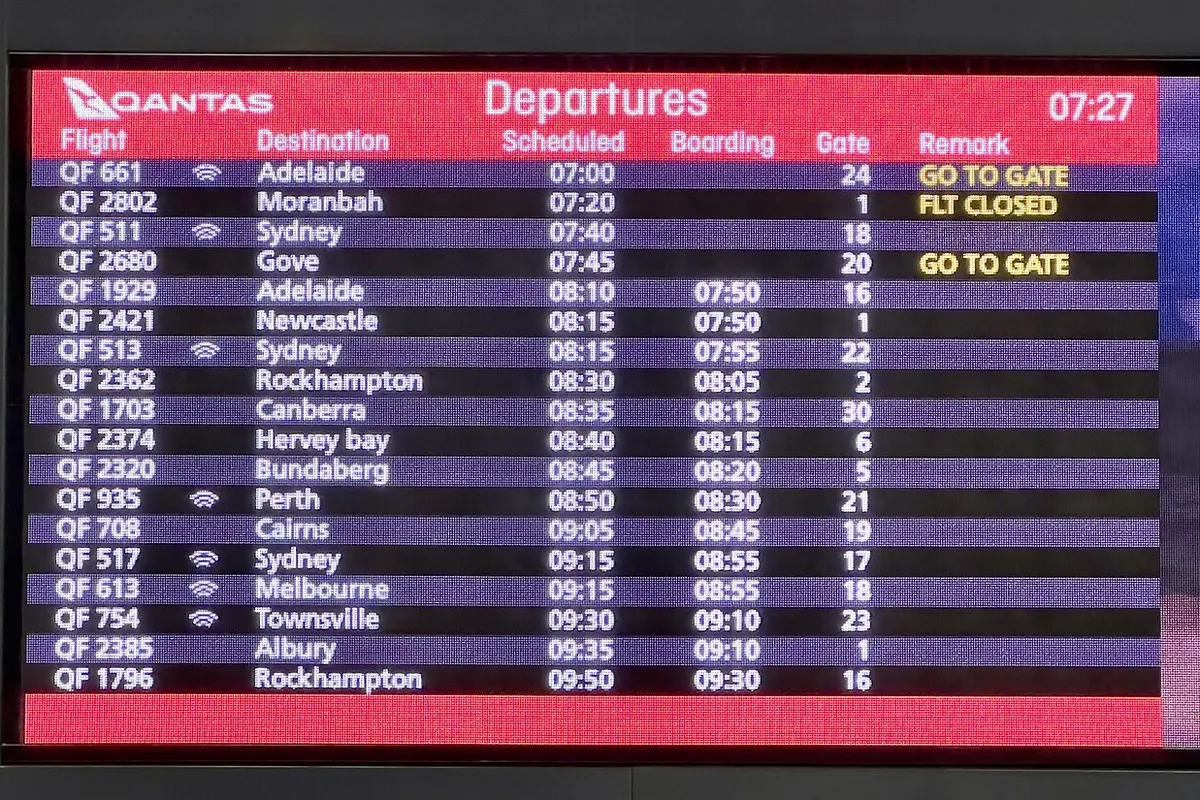
Converting in a rhythm is dangerous. After a run of evening times - 1900, 2030, 2215, all subtract 12 - the next entry is 0940, and the rhythm tries to subtract 12 from that too. Morning hours under 12 never get the subtraction. The tell is the result: if your conversion produces a negative number, a zero hour with PM, or anything that feels impossible, you have applied the PM rule to an AM time. Restart the row and ask the only question that matters: is the hour 12 or more? Only then does 12 come off. Batch work is where this lives, so batch work is where the round-trip check matters - run any doubtful result through the military time converter rather than trusting a rhythm.
Mistake 5: Inventing minutes that cannot exist
Minutes run 00 to 59 in both systems, full stop. Yet rosters turn up with entries like 1260, 0975 and 2480. Usually these are slips - a 1300 typed as 1260, a decimal hour like 9.75 pasted into a time column. Sometimes they come from adding times by treating them as plain numbers: 1150 plus 20 minutes written as 1170 instead of 1210. A time with minutes over 59 is not a time at all, and the correct response is to question it, not to convert it creatively. If the job involves adding durations to clock times, use the time calculator on the homepage, which carries the hour properly instead of letting the minutes overflow.
Mistake 6: Trusting a decimal in disguise
Some workplaces, especially in Europe and in aviation logs, write times with a point: 14.5. New readers convert that to 1450 - two fifty in the afternoon - when it actually means 14:30, because the .5 is half an hour, not fifty minutes. The same trap hides in 9.25 (9:15, not 9:25) and 16.75 (16:45, not 16:75 - which is Mistake 5 wearing a disguise). Before converting a page of times from an unfamiliar source, pin down its style using one entry you can verify, such as a start time you witnessed. Thirty seconds of checking beats a page of confident wrong answers.
The two-second checks that catch almost everything
You do not need to memorize this whole list if you build two habits. First, the label sentence: before writing any converted time, say whether it is morning, midday or night in plain words, and check the number agrees - a "night" time starting with 0 or 1 in the morning range is wrong. Second, the round trip: convert your answer back with the opposite rule and confirm you land on the original. 1840 came from 6:40 PM; 18 minus 12 is 6, so it checks. If either habit flags something, that entry gets the military time converter or a second pair of eyes. Errors caught at the desk cost seconds. Errors caught at the bedside, the gate or the payroll run cost a great deal more.
Frequently asked questions
Why do people write 2400 for noon by mistake?
Because the PM rule says add 12, and 12 plus 12 is 24. But the noon hour is the exception: 12 PM is already the count at midday, so it stays 1200. The number 2400 belongs only to the midnight that ends a day.
What is the most common military time mistake at work?
Mixing up the two 12s. Midnight (12 AM) becomes 0000 and noon (12 PM) stays 1200, but people regularly write 1200 for a midnight event. It is the most damaging mistake too, because it moves the event by exactly 12 hours.
Is 800 the same as 0800?
Numerically yes, but in military writing 800 is an error. The leading zero is required so the time reads as four digits like every other entry. On a list, 800 can be mistaken for a quantity or a room number, while 0800 can only be a time.
What does it mean if a schedule shows 1260 or 2475?
It means the entry is wrong. Minutes in military time run 00 to 59, so the last two digits can never be 60 or more. An entry like 1260 is usually a typing slip for 1300 or 1226, and it should be questioned, not converted.
How can I check a conversion I am unsure about?
Convert it back. Take your answer and run it through the opposite rule: if 1930 came from a PM time, subtract 12 and confirm you land on 7:30 PM. If the round trip fails, the first conversion was wrong. A converter tool does the same check instantly.
Johnson Ramzan builds and maintains every calculator on Time Calculator Tools himself, and he tests each one against worked examples he has done by hand before it is allowed near a reader. His guides follow US Department of Labor guidance on hours worked, overtime and rounding, and he writes them the way he would want a payslip explained to him: plain English, real numbers, and no step skipped. When a reader writes in with a shift pattern the tools handle badly, fixing it goes to the top of his list.
Last updated: November 15, 2026
Related guides
How to Convert Military Time to Standard Time
The full method for reading 24-hour times, with the four fumbled hours treated as memorized facts.
Read the guideHow to Convert Standard Time to Military Time
The writing direction, including the noon and midnight trapdoors in detail.
Read the guideMidnight in Military Time: 0000 or 2400?
The deepest of the edge cases, given a whole guide: when each midnight number is correct.
Read the guideMilitary Time Practice Questions
Drills with an answer key that deliberately include every mistake from this list, so you can make them safely on paper.
Read the guide